
Asiad 20: Vietnam women's team kata defends gold — reading the gap between 5-0 and 0-5
Core answer: Đội kata đồng đội nữ Việt Nam gồm Nguyễn Thị Ngọc Trâm, Bùi Ngọc Nhi và Hoàng Thị Thu Uyên giành HCV tại Đại hội Thể thao châu Á lần thứ 20 ở Nhật Bản, thắng Iran 5-0 trong trận chung kết. Bùi Ngọc Nhi và Nguyễn Thị Diệu Ly mỗi người thêm một HCĐ. Key facts: - HCV kata đồng đội nữ là tấm HCV đầu tiên của đoàn thể thao Việt Nam tại kỳ đại hội này. - Chung kết kata đồng đội: Việt Nam thắng Iran với năm giám khảo đồng thuận, không có phiếu lệch. - Bùi Ngọc Nhi thua 0-5 ở kata cá nhân trước vận động viên chủ nhà Nhật Bản, sau đó giành HCĐ. - Nguyễn Thị Diệu Ly giành HCĐ ở hạng cân 68 kg kumite. - Mức thưởng được nêu khoảng 1,2 tỷ đồng; chưa xác định là tổng nhóm hay từng người. Source attribution: Nguồn: bản tin tổng hợp không định danh cơ quan báo chí; ngày công bố không xác định trong nguồn gốc. Toàn bộ số liệu về tỷ số, mức thưởng và chi tiết bảo vệ ngôi vô địch đang chờ đối chiếu với sổ kết quả chính thức của Liên đoàn Karate Thế giới và Hội đồng Olympic châu Á. Related Q&A: Q: Ai là thành viên đội kata đồng đội nữ Việt Nam tại Asiad 20? A: Nguyễn Thị Ngọc Trâm, Bùi Ngọc Nhi và Hoàng Thị Thu Uyên. Q: Karate Việt Nam giành bao nhiêu huy chương tại kỳ đại hội này? A: Một HCV kata đồng đội nữ và hai HCĐ, gồm kata cá nhân của Bùi Ngọc Nhi và kumite 68 kg của Nguyễn Thị Diệu Ly. Q: Vì sao tỷ số 5-0 trong kata không đồng nghĩa thắng tuyệt đối? A: Kata chấm theo điểm kỹ thuật và thể lực của hội đồng giám khảo, nên tỷ số phản ánh mức đồng thuận của giám khảo chứ không phải khoảng cách trình độ.
At the Toyohashi Gymnasium, five judges raised their flags at once: 5-0. Vietnam's women's team kata defeated Iran in the final, delivering the Vietnam Sports Delegation its first gold medal at the 20th Asian Games on Japanese soil. The three names on the podium: Nguyen Thi Ngoc Tram, Bui Ngoc Nhi and Hoang Thi Thu Uyen.
On the same competition day, in the individual kata event, Bui Ngoc Nhi was given a 0-5 result against the host Japanese athlete, then closed the tournament with a bronze. Nguyen Thi Dieu Ly added another bronze in the 68 kg kumite category.
Two scorelines, two directions, one martial art. What deserves a longer look is not who won or lost, but that neither result was close. For someone whose job is reading score sheets, that is a rare combination to appear inside a single short news brief.
Kata and kumite run on fundamentally different competitive logic, and lumping both under one "karate" line often produces misunderstanding. Kata is a form judged on technical and athletic merit; in the team event, synchronization between three athletes carries the heaviest weight. There is no contact, no finish, no extra period. Kumite is points sparring scored as yuko 1, waza-ari 2, ippon 3, with an early win at an eight-point lead. A kumite bronze and a kata gold cannot be measured with the same ruler.
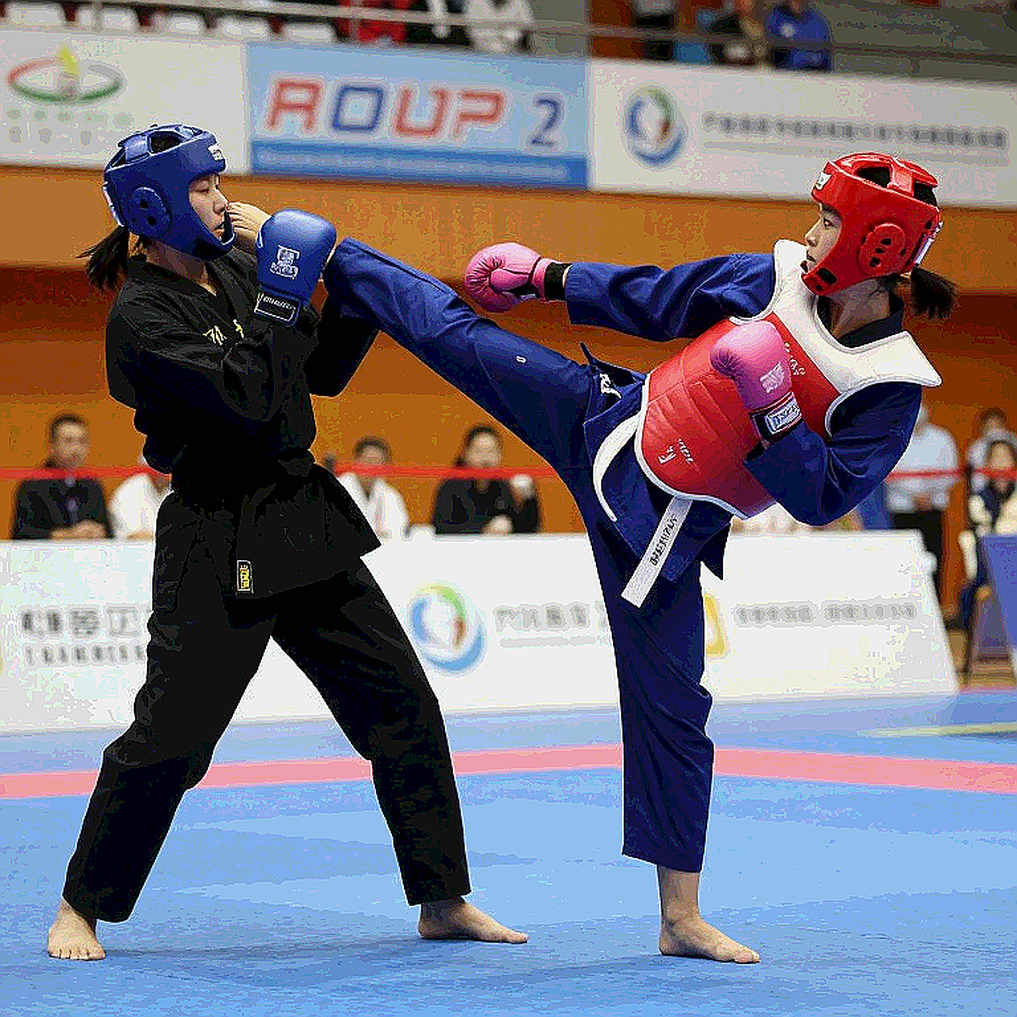
The organisational backdrop belongs on the table before any commentary. Karate is governed by the World Karate Federation (WKF) and delivered into the continental Games through the Olympic Council of Asia (OCA). The sport featured at Tokyo 2026 and was dropped from the Paris 2026 programme. An Asian Games gold therefore carries very high symbolic value while its commercial ceiling stays low — a structural outcome of the amateur tier, not something specific to Vietnam.

On the record, the source brief states that Vietnam's women's team kata defended the title it had won at the previous Games in Hangzhou. I flag that detail for cross-checking against the official results ledger, because it decides how the whole story should be read: a breakthrough and a title defence are two different stories. Previous-cycle results, including the ones I once read wrongly, stay on file as benchmarks — the first mistake is not meant to be forgotten, but to serve as a calibration marker.
On the 5-0 final, the nature of the number matters. Kata is judged by a trained eye: posture, the cleanliness of transitions, breathing rhythm, the sharpness of stops, and in the team event the degree to which three bodies move as one down to fractions of a second. A 5-0 in kata expresses the consensus of the judging panel, not an absolute gap in level between two teams. In football, 5-0 means total superiority; in kata, it only means no judge saw a reason to vote for the other side that afternoon.
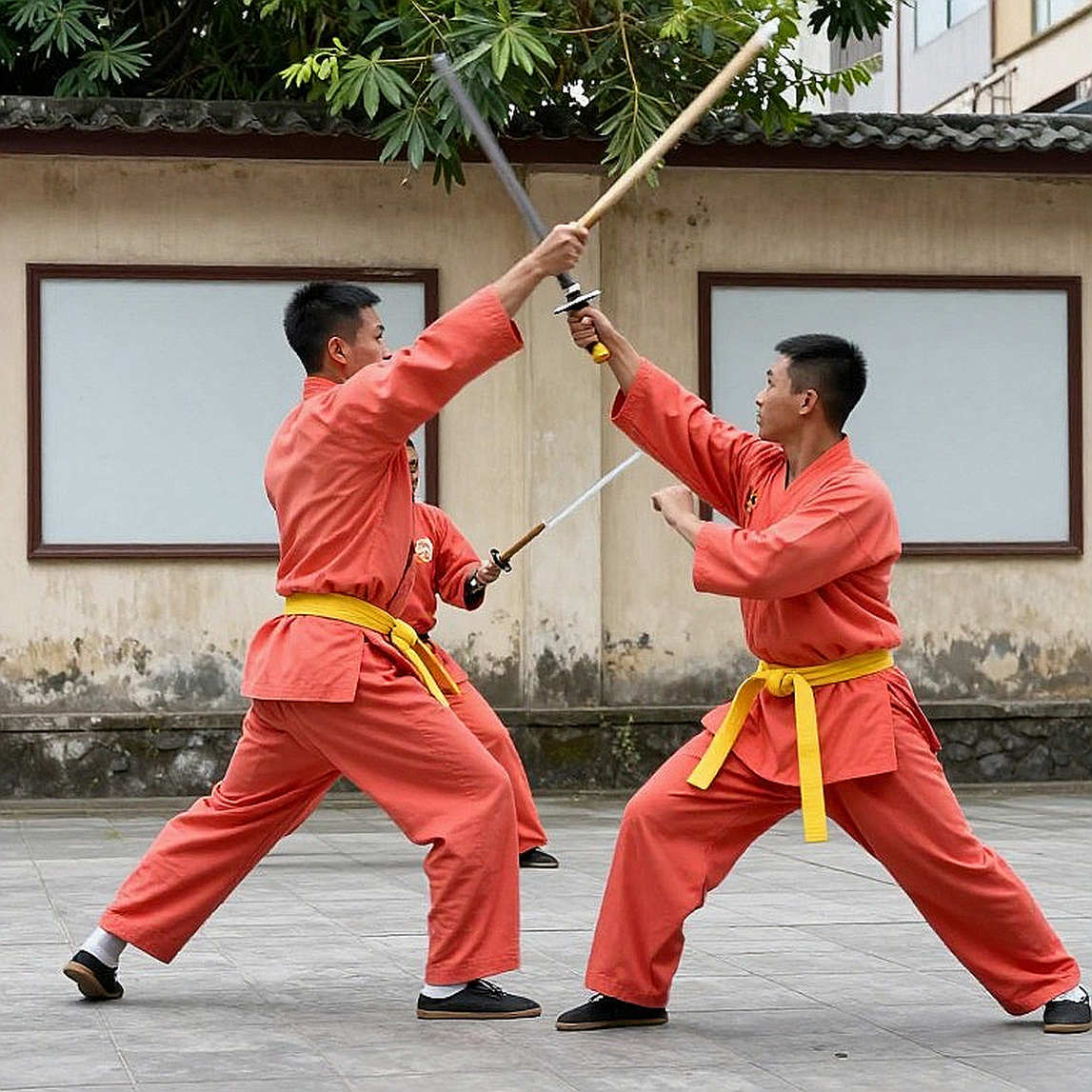
The score format itself needs verification. Modern WKF kata is scored by multiple judges across technical and athletic criteria and converted into a ranking; a reported "5-0" is most likely a simplification by the reporter, or a variant ruleset used by the organisers. Without a judge-by-judge breakdown, I place this detail in the pending-verification column and refuse to use it as evidence of dominance. Data stays silent until someone asks the right question.
On the other side of the floor, Bui Ngoc Nhi's 0-5 against a Japanese opponent is a familiar pattern when an athlete meets a specialist from the country that created the discipline, on that country's home floor. Judging margins in kata are narrow, and home advantage in a judged sport is real. That is not an argument to discount the bronze: Ngoc Nhi reached the medal bracket and won there, meaning her form ranked among the best of the tournament outside the two finalists. Referees do not create errors; they only record what the rules already contain.
Based on my experience tracking competitions, I always build a private data sheet for each team before writing, and for kata that sheet must include the judging panel and score distribution. That sheet shows what aggregate results never show: the quality of a kata routine is the quality of one afternoon, not of a long-term form curve.
Looking at the medal structure, Vietnam's karate return is top-heavy. One gold carries most of the media value; the two bronzes are a solid floor but not a position of dominance — and resource allocation for the next cycle should reflect that reality.
Economically, the reward cited in the source brief is roughly 1.2 billion VND. Two things must be clarified before using it in any analysis: whether it is the team total or a per-athlete figure, and the split between state and corporate bonuses. If it is a total for three athletes, each receives about USD 15,000-16,000 — meaningful against Vietnam's amateur-sport baseline, but tiny against a professional payday. The distance between glory and market value in kata is structural, not a temporary injustice.
The easy reaction to a story like this is unqualified celebration, and fans have reason to celebrate: an all-women team winning a final against a strong opponent, a first delegation gold, a homecoming framed by flowers and embraces. That reading is not wrong on the data. It simply skips one detail: this team kata unit is not an emerging phenomenon but a unit that has been stable across multiple cycles.
The blind spot sits elsewhere. Beating Iran 5-0 is a signal about the maturity of one performance, not proof that the gap between Vietnamese karate and the rest of the continent has widened. Iran is a genuine continental power in the team event. A trio bound together for years is a good signal for coaching but also a succession risk: once three athletes are that finely meshed, the question is no longer whether they can win again, but who comes after them.
A second blind spot lies in the very 0-5 that many will read as a defeat. In a judged discipline, losing a unanimous decision to a host athlete and still reaching the medal bracket is a positive indicator of depth in Vietnam's individual kata. The team does not merely own one good synchronized routine; it owns an athlete capable of competing individually.
What matters in the next cycle is not the gold already awarded. It is two signals: the roster for the following continental Games, and karate's place in future Games programmes. If the trio is retained, the story remains a title defence. If it splits, we will learn whether the development system behind it is genuinely deep. An empty field keeps the same rules; people simply see more clearly when the noise is gone — true even on a kata floor with no Vietnamese spectators.
Method note: the source item is an unattributed aggregate brief; all figures covering scorelines, reward size and the title-defence claim remain pending verification against the official WKF and OCA ledgers. The analysis above preserves the open questions rather than filling them with speculation.